
How to Identify an Ohio Honey Bee in the Field

Quick Summary
An Ohio honey bee is a brown, fuzzy bee with fine hairs covering its body, short pale bands across the abdomen, and hairy eyes. Honey bees are often confused with yellow jackets, which have slimmer, smooth bodies, and with bumble bees, which are larger and fuzzier.
Look for a brown, fuzzy body covered in fine hairs.
Honey bees have short, pale color bands across the abdomen.
Their hairy eyes help separate them from most wasps.
Yellow jackets are slimmer with a smooth, shiny body.
Bumble bees are larger, with a rounder and much fuzzier abdomen.
Ready to start beekeeping in Ohio?
That Crazy Bee Guy supplies beginner-friendly beekeeping gear and expert guidance.
Table of Contents
Ohio Honey Bee Species and How to Tell Them Apart
Last Updated: November 13, 2026
Identifying an Ohio honey bee starts with knowing what it looks like. The honey bee, Apis mellifera, is the managed bee most Ohio beekeepers keep, and it has a few clear traits you can spot in the field. Ohio is home to about 500 bee species, so honey bees are only part of the picture, and many lookalikes are easy to mix up with them. This guide shows you how to tell them apart.

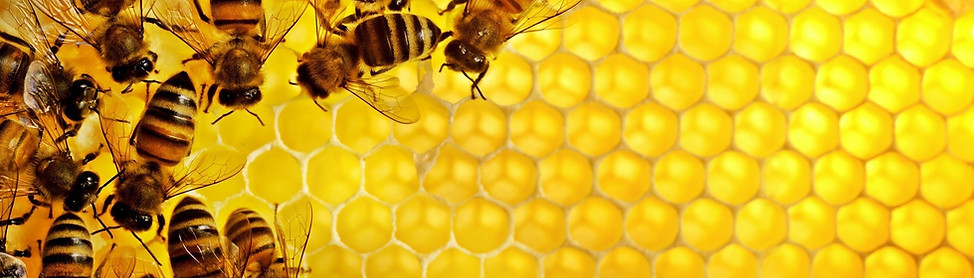
Look for a brown, fuzzy body with fine hairs covering the thorax. Honey bees also have short, pale color bands on the abdomen. Their eyes are hairy, which helps you tell them from many wasps.
Brown, fuzzy body with fine hairs
Short, pale bands across the abdomen
Hairy eyes, unlike most wasps
Workers are small and fast-moving
Ohio Bee Identification Chart: Honey Bee Versus Lookalikes
Honey bees are often confused with yellow jackets, bumble bees, and other native bees. Yellow jackets are slimmer and have a smooth, shiny body. Bumble bees are larger and much fuzzier, with a rounder abdomen.
The Ohio State University CFAES identification guide is a useful reference for telling bees apart (Ohio Bee Identification Guide).
The article contrasts honey bees with their most common lookalikes, so here is a quick comparison.
Bee | Body shape | Key trait |
Honey bee | Brown, fuzzy with fine hairs | Short, pale abdominal bands |
Yellow jacket | Slimmer | Smooth, shiny body |
Bumble bee | Larger, rounder abdomen | Much fuzzier |
Ohio Beekeeping Regulations and Buying Your First Ohio Honey Bee Colony
Ohio beekeepers must still register apiary locations with the state. The Ohio Department of Agriculture oversees this program (Ohio Apiary Program).
At That Crazy Bee Guy, we suggest a deep frames unassembled setup or 100 medium frames unassembled for a standard Ohio hive. New keepers can also start with our beekeeper training course before buying bees. Learn more about getting started with That Crazy Bee Guy.
Ready to get started with honey bees? That Crazy Bee Guy offers the equipment and expert guidance new keepers need.
Frequently Asked Questions
What type of bees are in Ohio?
Ohio has about 500 bee species, . Honey bees are only one group. Most others are native bees, which include bumble bees, mason bees and sweat bees. Honey bees are not native to the United States, so a beginner guide should account for native diversity rather than focusing only on managed honey bees. Learning a few common groups makes it easier to know which insect you are looking at.
How can you tell a honey bee from a bumble bee in Ohio?
Honey bees are typically slimmer, with a less fuzzy abdomen and short, uniform body hairs in golden-brown bands. Bumble bees are rounder and much hairier, with a fuzzy abdomen that looks almost like a pom-pom. Honey bees also have hairy eyes and a more streamlined shape. Compare the body hairs and overall shape first, since those markings are the quickest field clues.
Do honey bees sting?
Yes, honey bee workers can sting, but they usually sting only when they feel threatened or when a hive is disturbed. Unlike many wasps, a honey bee dies after stinging because its barbed stinger stays in the skin. Most people who are stung have minor, short-lived pain. Stay calm, move slowly away from the hive, and wear protective clothing if you are working with colonies.
Comments